Creative solutions featuring spin-pin.uk empower lasting home design flourishes
The realm of home design is constantly evolving, driven by innovation and a desire for spaces that are both aesthetically pleasing and functionally efficient. Achieving a consistently stylish and practical interior often requires clever solutions and access to quality resources. This is where platforms like spin-pin.uk come into play, offering a curated collection of design elements and inspiration to empower homeowners and design professionals alike. From subtle accents to transformative features, thoughtful details can elevate a house into a home.
The modern homeowner is increasingly interested in creating personalized spaces that reflect their unique tastes and lifestyles. This trend has fueled a demand for diverse design options and a greater emphasis on quality craftsmanship. Successfully navigating this landscape requires a discerning eye and a reliable source for design-forward products and ideas. The challenge lies in seamlessly integrating these elements to achieve a harmonious and lasting aesthetic, and platforms dedicated to showcasing inspired interiors can be instrumental in this process.
The Art of Layered Lighting
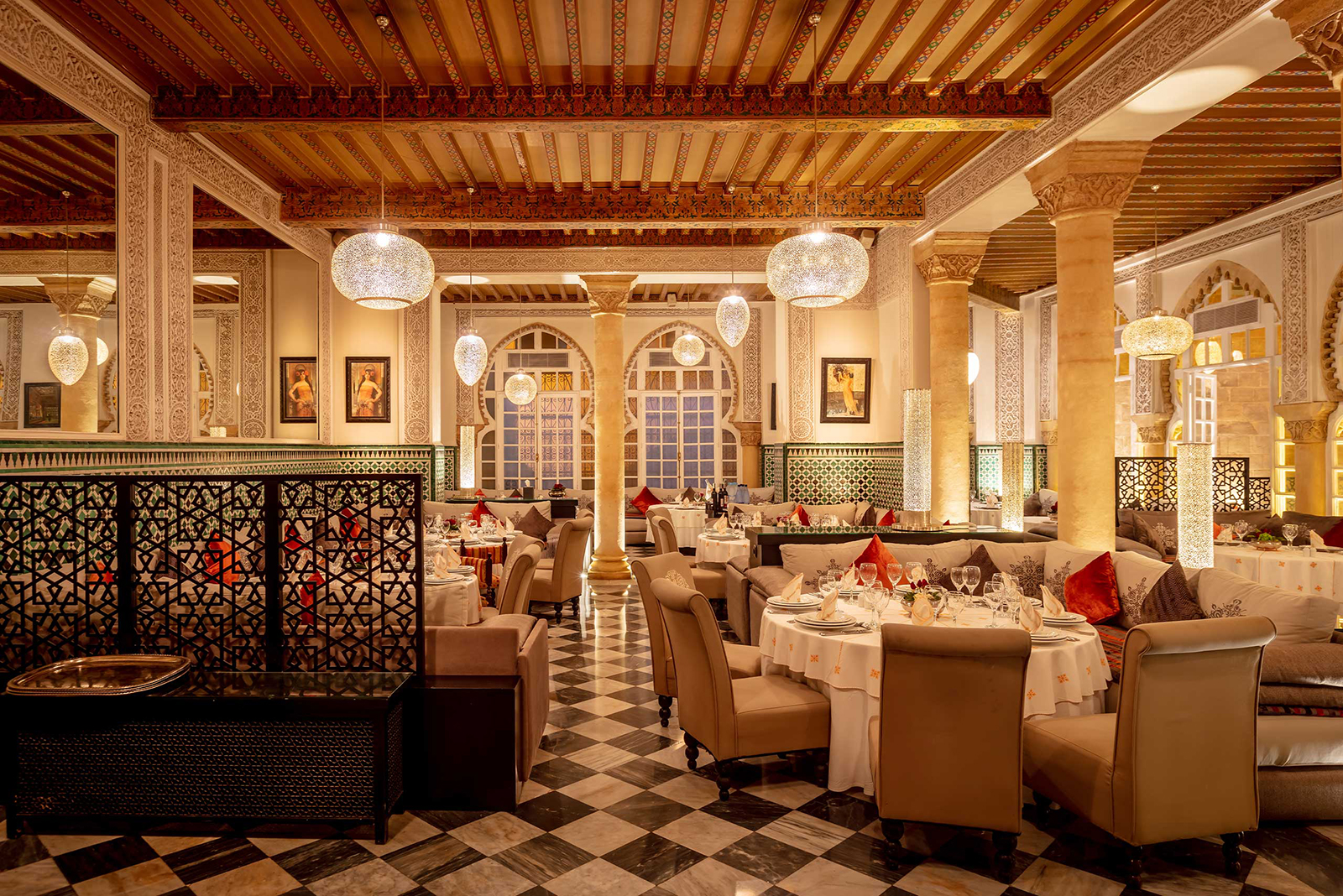
Lighting is arguably the most impactful element of any interior design scheme. It’s not merely about illumination; it’s about creating mood, highlighting architectural features, and enhancing the overall atmosphere of a room. Layered lighting involves combining different types of light sources – ambient, task, and accent – to achieve a balanced and versatile effect. Ambient lighting provides general illumination, task lighting focuses on specific areas for activities like reading or cooking, and accent lighting adds visual interest by highlighting artwork or architectural details.
Choosing the Right Fixtures
Selecting the appropriate lighting fixtures is crucial to achieving a cohesive design. Consider the style of your home and the function of each room. For example, a minimalist living room might benefit from sleek, understated pendant lights, while a traditional dining room could feature a more ornate chandelier. The color temperature of the bulbs also plays a significant role; warmer tones create a cozy and inviting atmosphere, while cooler tones are better suited for task-oriented spaces. Don’t underestimate the power of dimmer switches to adjust the intensity of the light and create different moods. Effective lighting strategies will transform a space.
| Lighting Type |
Purpose |
Example Fixtures |
| Ambient |
General Illumination |
Recessed lights, ceiling fans with lights, chandeliers |
| Task |
Focused Illumination |
Desk lamps, under-cabinet lighting, reading lamps |
| Accent |
Highlights Features |
Spotlights, wall sconces, picture lights |
The current trend leans toward smart lighting systems, allowing homeowners to control their lights remotely and create customized lighting scenes. These systems offer convenience, energy efficiency, and a heightened level of personalization. Investing in high-quality lighting fixtures is an investment in the comfort and aesthetics of your home. Resources like design blogs and platforms showcasing interior inspirations (such as those found when exploring solutions similar to spin-pin.uk ) can be invaluable when making these selections.
The Power of Texture and Textiles
Adding texture and textiles is an effective way to introduce warmth, depth, and visual interest to any room. Consider mixing different materials, such as wood, metal, glass, and fabric, to create a dynamic and layered aesthetic. Textiles, in particular, offer a wide range of possibilities, from plush rugs and cozy throws to elegant curtains and patterned upholstery. The key is to choose materials that complement each other in terms of color, pattern, and texture.
Choosing the Right Fabrics
When selecting fabrics, consider both their aesthetic appeal and their practicality. Different fabrics have different properties in terms of durability, cleanability, and maintenance. For example, linen is a natural fiber that is breathable and comfortable, but it can be prone to wrinkling. Velvet is a luxurious fabric that adds a touch of elegance, but it requires careful cleaning. When choosing fabrics for high-traffic areas, opt for durable materials that can withstand wear and tear. The interplay of texture and pattern really defines a space.
- Rugs: Define spaces and add warmth.
- Curtains: Control light and add privacy.
- Throws: Add coziness and a pop of color.
- Upholstery: Offers comfort and style.
- Pillows: Easy to change, add texture and pattern.
Don’t be afraid to experiment with different textures and patterns. Mixing solids with prints, and coarse textures with smooth ones, can create a visually stimulating and inviting space. A well-chosen textile can transform a room from bland to captivating. Seeking inspiration from design resources, and exploring options similar to those presented by spin-pin.uk, can aid in material selection.
Maximizing Space with Clever Storage Solutions
In today’s homes, maximizing space is often a top priority, particularly in smaller living areas. Clever storage solutions can help you keep your home organized and clutter-free, creating a more functional and aesthetically pleasing environment. Think beyond traditional storage options like closets and cabinets. Consider utilizing vertical space with tall bookshelves or shelving units, and incorporating hidden storage into furniture such as ottomans or benches. Multifunctional furniture is another great way to save space.
Incorporating Built-In Storage
Built-in storage solutions are a particularly effective way to maximize space and create a streamlined appearance. Custom-designed bookshelves, cabinets, and window seats can be tailored to your specific needs and preferences. Built-in storage not only provides ample storage space but also adds architectural interest to a room. When designing built-in storage, consider the flow of the room and ensure that the storage solutions blend seamlessly with the overall design aesthetic. This thoughtful approach transforms daily living.
- Assess your storage needs accurately.
- Utilize vertical space effectively.
- Consider multifunctional furniture.
- Incorporate hidden storage solutions.
- Design custom built-ins for a tailored look.
The key to successful storage is to keep it organized and accessible. Invest in storage containers, baskets, and labels to keep your belongings neatly categorized. Regularly declutter your home and donate or discard items you no longer need. A well-organized home is a more relaxing and inviting home. The design principles displayed on platforms like spin-pin.uk can provide helpful storage ideas.
The Enduring Appeal of Natural Elements
Incorporating natural elements into your home décor is a timeless design strategy. Bringing the outdoors in can create a sense of calm, serenity, and connection to nature. Plants are an obvious choice, but there are many other ways to incorporate natural elements, such as using wood, stone, and natural fibers in your furniture and accessories. Consider the colors of nature when choosing your décor palette—earthy tones, greens, and blues can evoke a sense of tranquility.
The benefits of incorporating natural elements extend beyond aesthetics. Plants can purify the air, reduce stress, and improve mood. Natural materials are often more sustainable and eco-friendly than synthetic alternatives. Creating a natural and organic environment in your home can have a positive impact on your overall well-being. This approach adds character and a sense of authenticity.
The Future of Home Design: Smart and Sustainable Approaches
The future of home design is increasingly focused on smart technology and sustainable practices. Smart home systems allow homeowners to control everything from lighting and temperature to security and entertainment with the touch of a button. These systems offer convenience, energy efficiency, and enhanced security. Sustainable design practices prioritize the use of eco-friendly materials, energy conservation, and water efficiency. These practices not only reduce your environmental impact but can also save you money on utility bills.
As technology continues to advance, we can expect to see even more innovative home design solutions emerge. From self-cleaning surfaces to automated window coverings, the possibilities are endless. Prioritizing sustainability is not only a responsible choice but also a smart investment in the future. The convergence of smart technology and sustainable design represents a significant shift in the way we think about our homes – creating spaces that are not only beautiful and functional but also environmentally conscious. Resources like inspirational home design galleries often showcase this trend, much like the curated content available through platforms such as spin-pin.uk.