Delicious pastries and bon rush for ultimate sweet tooth satisfaction
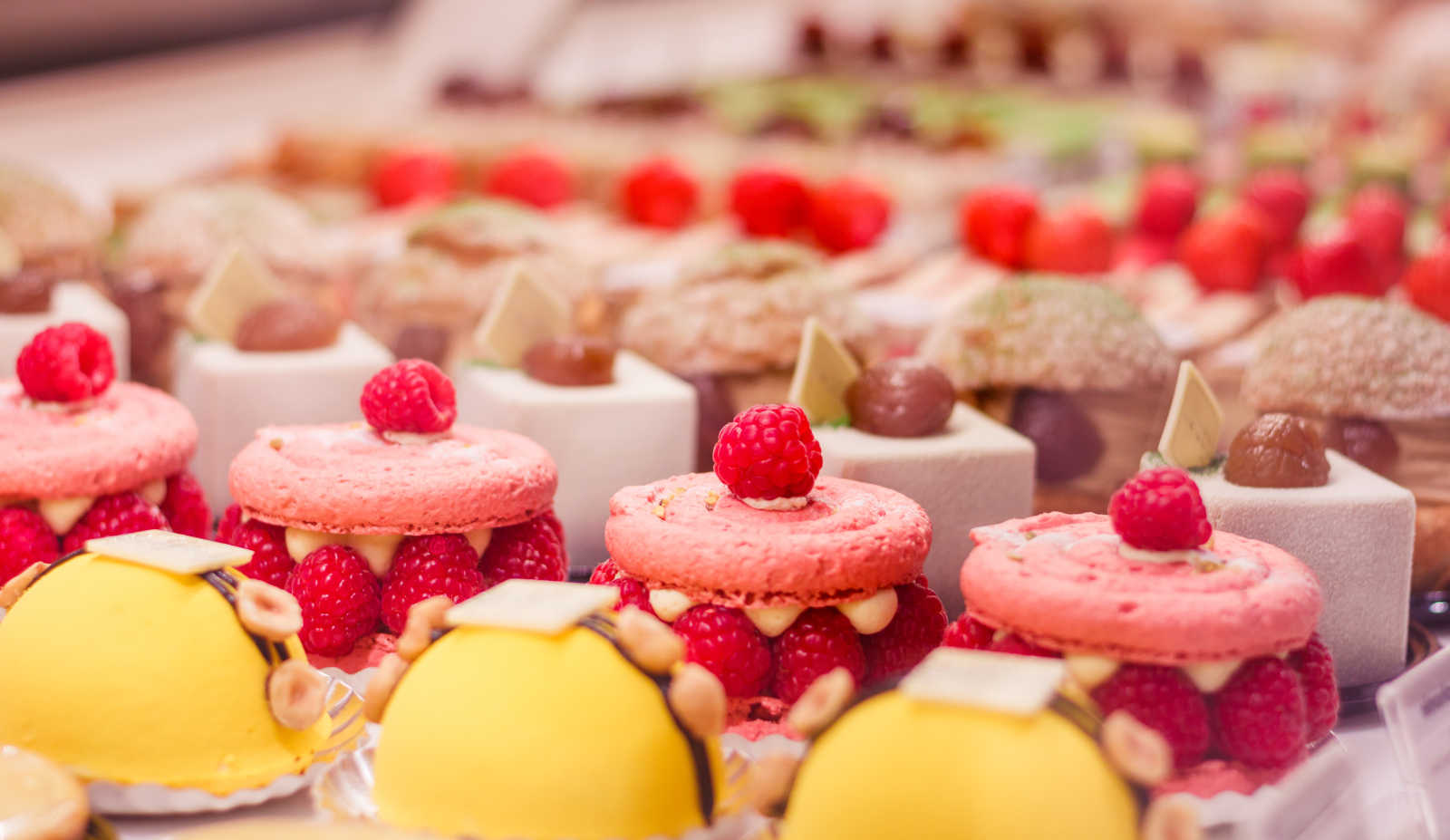
The allure of freshly baked pastries is almost universal, a comforting treat that transcends cultures and generations. But sometimes, you crave something more than just a simple sweet; you yearn for an experience, a moment of pure indulgence. This is where the concept of a “bon rush” comes into play – that sudden, overwhelming desire for a delectable pastry, a moment of blissful surrender to your sweet tooth. It’s a feeling many of us know well, the urgent need for a flaky croissant, a rich chocolate éclair, or a perfectly crafted macaron.
This craving isn’t merely about satisfying hunger; it’s about emotional comfort, a small indulgence that can brighten a day or provide a moment of much-needed escape. The artistry involved in creating these tempting treats, the delicate balance of flavors and textures, all contribute to this heightened experience. Whether it’s a spontaneous visit to a local bakery or a carefully planned outing to a renowned patisserie, the pursuit of a satisfying pastry is a journey worth taking. The exquisite pleasure derived from a perfectly executed confection is often more than just a taste sensation.
The Art of Pastry: A Historical Overview
The history of pastries is as rich and layered as the desserts themselves. Dating back to ancient civilizations, early forms of pastry were often simple combinations of flour, water, and fat, used to encase savory fillings. The ancient Egyptians were known to create early versions of pies, while the Greeks developed layered pastries using filo dough. However, it was during the medieval period that pastry truly began to evolve in Europe, influenced by Arab techniques and the introduction of new ingredients like sugar.
The Renaissance saw a flourishing of culinary arts, with pastry chefs becoming highly sought-after artisans. The French, in particular, played a pivotal role in refining pastry techniques, developing iconic creations like the croissant and the éclair. This influence spread throughout Europe and eventually to the rest of the world. The 18th and 19th centuries brought further innovation, with the development of more complex recipes and elaborate decorations. From the sophisticated tarts of Marie Antoinette’s court to the humble American pie, pastries have always reflected the culture and tastes of their time.
The Role of Ingredients and Technique
Central to exceptional pastry is the quality of ingredients. Using high-quality butter, flour, chocolate, and seasonal fruits dramatically impacts the final product. Beyond ingredients, precision in technique is vital. Accurate measurements, attentive temperature control, and understanding the chemical reactions happening during baking determine whether a pastry will be a triumph or a disappointment. The careful lamination of dough for croissants, the precise tempering of chocolate for ganache, and the gentle folding of meringue – all require skill and dedication. A genuinely excellent pastry isn’t just a recipe followed, it's a meticulous process executed with passion.
| Pastry Type |
Origin |
Key Ingredients |
| Croissant |
Austria/France |
Flour, Butter, Yeast |
| Macaron |
Italy/France |
Almond Flour, Egg Whites, Sugar |
| Éclair |
France |
Choux Pastry, Cream, Chocolate |
| Baklava |
Turkey |
Filo Dough, Nuts, Honey |
The evolution of pastry continues to this day, with chefs constantly experimenting with new flavors, textures, and presentation styles. Molecular gastronomy and innovative techniques are pushing the boundaries of what’s possible, creating pastries that are as visually stunning as they are delicious. This constant innovation ensures that the world of pastry remains exciting and relevant, continuing to capture the hearts (and stomachs) of sweet tooths everywhere.
The Psychology of Sweet Cravings
Why do we experience that sudden, intense craving for something sweet? The answer lies in the complex interplay of biology and psychology. Eating sugar triggers the release of dopamine, a neurotransmitter associated with pleasure and reward in the brain. This creates a positive feedback loop, reinforcing our desire for sugary foods. Furthermore, sugar can provide a temporary boost in energy levels, making us feel more alert and focused – a particularly appealing effect when we’re feeling tired or stressed.
These physiological responses are compounded by emotional and psychological factors. Pastries are often associated with positive memories, celebrations, and feelings of comfort. A bite of a beloved pastry can transport us back to happy times, creating a sense of nostalgia and well-being. This emotional connection can make the craving even more powerful, especially during times of stress, sadness, or boredom. Understanding the psychology behind sweet cravings can help us make more mindful choices about our consumption. While occasional indulgence is perfectly acceptable, recognizing the underlying motivations can prevent us from overeating or developing unhealthy habits.
- Dopamine release creates a reward pathway in the brain.
- Sugar provides a temporary energy boost.
- Pastries trigger positive emotional associations.
- Cravings can intensify during periods of stress.
The influence of marketing and social media also plays a role. Visually appealing images of pastries are constantly bombarding us, triggering our desire for these treats. Food bloggers and influencers often showcase decadent desserts, further fueling our cravings. It’s important to be aware of these external influences and to cultivate a healthy relationship with food.
Finding the Perfect Pastry Experience
The search for the perfect pastry experience can be a rewarding adventure. Begin by exploring local bakeries and patisseries, seeking out establishments that prioritize quality ingredients and traditional techniques. Don't be afraid to ask questions about the ingredients and the baking process – a reputable bakery will be happy to share their knowledge. Reading online reviews and seeking recommendations from friends can also help you discover hidden gems.
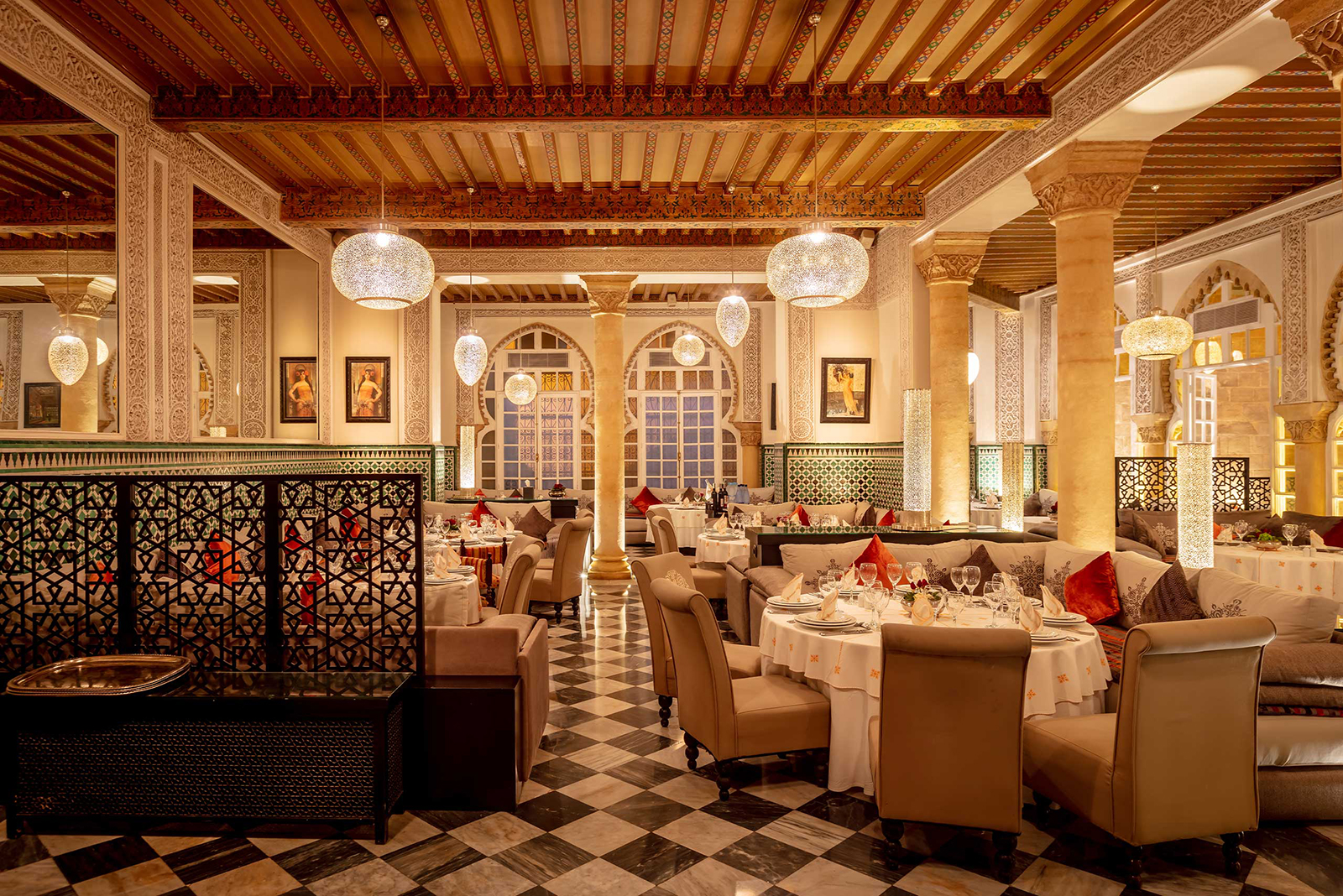
Consider the ambiance and atmosphere of the bakery. Do you prefer a cozy, intimate setting or a more bustling, vibrant atmosphere? A well-designed bakery can enhance the overall experience, creating a sense of indulgence and relaxation. Don't limit yourself to traditional pastries – explore different flavors, textures, and cultural variations. From Japanese mochi to Argentinian alfajores, there's a world of delicious pastries waiting to be discovered. Taking a pastry-making class can also deepen your appreciation for the art and science behind these delectable treats. Trying your hand at creating your own pastries is a fantastic way to gain a better understanding of the techniques involved.
Tips for a Memorable Pastry Outing
To truly savor a pastry experience, cultivate mindfulness and attention to detail. Take the time to appreciate the presentation, the aroma, and the texture of the pastry. Enjoy each bite slowly, allowing the flavors to unfold on your palate. Pairing your pastry with a complementary beverage, such as coffee, tea, or a glass of wine, can further enhance the experience. Sharing your pastries with friends and loved ones can also add to the enjoyment, creating a sense of connection and shared indulgence. Remember, the goal is to fully immerse yourself in the moment and savor the simple pleasure of a delicious treat.
- Research local bakeries and read reviews.
- Explore different pastry types and flavors.
- Pair your pastry with a complementary beverage.
- Take time to savor and enjoy each bite.
Furthermore, don’t hesitate to venture beyond the established bakeries. Farmers’ markets and local events often showcase smaller, independent pastry producers who are passionate about their craft. These smaller-scale operations often prioritize artisanal methods and use locally sourced ingredients, resulting in truly exceptional pastries.
The Rise of Vegan and Gluten-Free Pastries
Responding to growing dietary needs and preferences, the world of pastry has embraced vegan and gluten-free options. Historically, traditional pastries rely heavily on ingredients like butter, eggs, and wheat flour, making them unsuitable for those with allergies or dietary restrictions. However, innovative chefs are now developing creative alternatives that deliver the same delightful textures and flavors without compromising on taste or quality. Vegan pastries often utilize plant-based butters, egg replacements like flaxseed meal or aquafaba, and alternative flours like almond flour or coconut flour.
Gluten-free pastries rely on gluten-free flour blends, often combining rice flour, tapioca starch, and potato starch. Achieving the same light and airy texture as traditional pastries can be challenging, but skilled pastry chefs are mastering the techniques to create truly satisfying gluten-free treats. The availability of vegan and gluten-free pastries reflects the increasing demand for inclusive food options, allowing more people to enjoy the pleasures of a delicious pastry. This trend is expected to continue as awareness of dietary needs grows and as new and improved ingredients become available.
Beyond Indulgence: Pastries as Cultural Expressions
Pastries aren’t simply food; they represent a cultural heritage, traditions, and shared experiences. Each country and region has its own unique pastries, reflecting the local ingredients, flavors, and culinary techniques. From the delicate macarons of France to the rich baklava of Turkey, these desserts tell stories about the history and identity of their respective cultures. Sharing pastries is often an integral part of social gatherings and celebrations, fostering a sense of community and connection.
The act of baking pastries is also a deeply personal expression of creativity and care. Whether passed down through generations or learned from a professional chef, pastry-making is a skill that requires patience, dedication, and a love of food. The aroma of freshly baked pastries filling a home is a comforting and inviting experience, creating a sense of warmth and hospitality. This cultural significance of pastries extends beyond the individual level, influencing tourism and culinary exchange. Many travelers seek out authentic pastry experiences as a way to connect with the local culture and savor the unique flavors of a destination. This desire for authentic taste experiences continues to grow.